Producing · May 2026 · ~6 min read
How to brief a model for a shoot
A practical brief checklist for booking a model: concept, references, usage and territory, logistics and call time — the details that change the result on set.
By Anastasiia Stepanenko · Ottawa
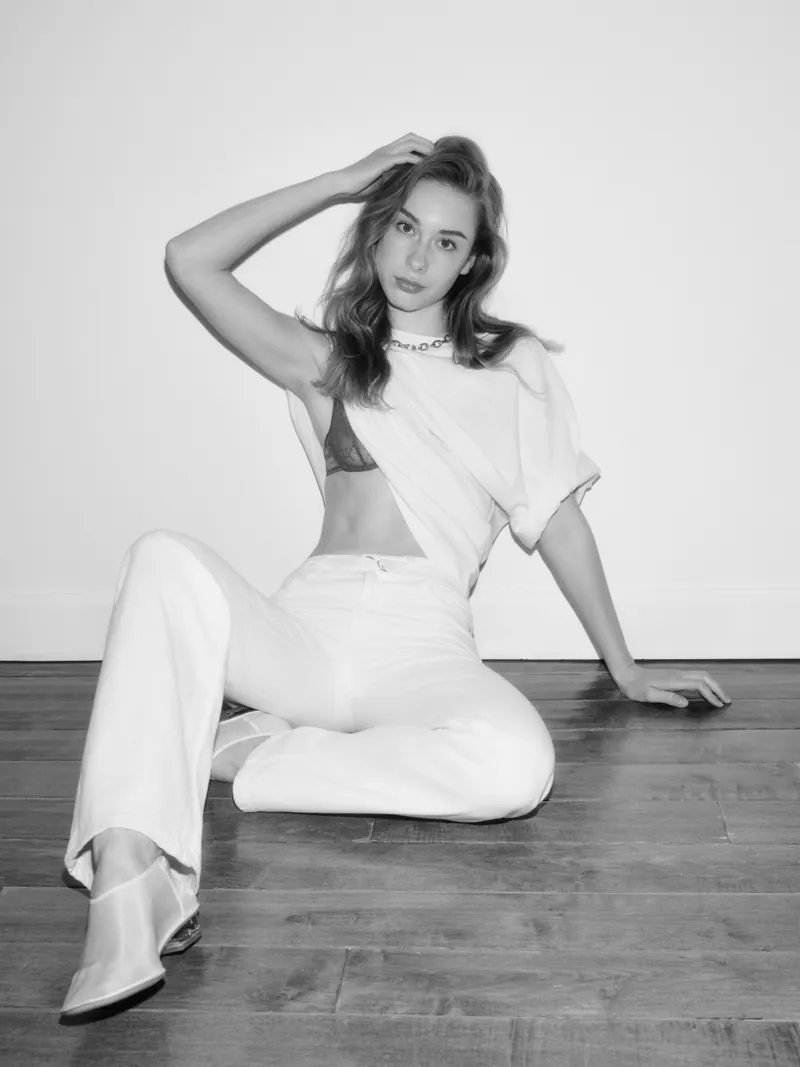
A model can only deliver what the brief makes possible. The gap between a flat shoot and a strong one usually comes down to how much the brief told everyone before the day. Here is the version of a brief that actually changes the result, written from the side of the camera the model stands on.
1Lead with the concept; the deliverables follow
“Six looks, white background, 9 to 5” covers the schedule. The concept tells a model how to show up: is this clean beauty with controlled expression, an editorial story with attitude, or relaxed resort energy? One sentence on the feeling you want — “expensive but effortless evening mood” — calibrates posture, pacing, and expression before anyone touches a camera. Deliverables still matter, but they come after the read.
2Send references that show range you actually want
Three to six reference images beat a paragraph of adjectives. Pick frames close to the final intent, and say what you like in each one: the line of the pose, the energy of the eyes, the styling restraint. If you are casting from a portfolio, point to specific frames — for example, a beauty close-up versus an evening editorial — so the model knows which register the day lives in. Avoid references that contradict each other unless you genuinely want a wide shoot; mixed signals produce mixed results.
3State usage and territory up front
Usage shapes the booking and the rate. Organic social for three months is a different job from a paid global campaign for two years. Spell out where the images run (web, paid social, OOH, print), the territory, and the duration. Being specific early avoids a renegotiation after the shoot and lets the model commit fully to the work.
4Give the logistics models care about
The practical block is short but high-impact:
- Call time and wrap estimate — and whether hair and makeup is on the clock before the call.
- Location — studio or on-location, indoor or outdoor, and whether water, heat, or cold is involved so the model can prepare.
- Styling responsibility — who provides wardrobe, what the model should bring (nudes, basics, heels, swim), and grooming expectations.
- Team — photographer, stylist, and who is directing on set, so the model knows whose voice to follow.
- Shot count and pace — a realistic number of setups for the time available.
Every shoot has a single image it cannot go home without.
5Name the one thing that must work
Every shoot has a single image it cannot go home without. Say what it is. “The hero is a tight beauty frame, eyes to lens, minimal movement” focuses the whole day. Without it, time gets spread evenly across everything and the most important frame gets the same attention as a filler. The model will protect the priority shot if she knows which one it is.
6Leave room for the model to add
A precise brief leaves room inside every frame. The best results come when the structure is locked but the model is invited to push two or three variations once the safe shot is in the bag. Build that time into the plan. Range — the ability to shift mood cleanly inside one setup — is exactly what a versatile model brings, and a rigid minute-by-minute board can suppress it.
A brief checklist you can copy
- One-line concept and the feeling you want
- 3–6 references with a note on what you like in each
- Category register: beauty / editorial / resort / lifestyle
- Usage, territory, duration
- Call time, location, conditions (water/heat/cold)
- Wardrobe and grooming responsibility
- Team and who directs on set
- The one hero image the day cannot miss
- Where flexibility is welcome
If you are putting a brief together now, the portfolio is arranged by category so you can point to exact references, and the services page lists what is bookable. When the brief is ready, send it via the booking page.